In November of 2017, I was almost finished with the first semester of my junior year at Howard University. Before I could finally cross that finish line and go home for Winter break, however, I was tasked with just two more projects for my multimedia storytelling class covering an audio/visual story.
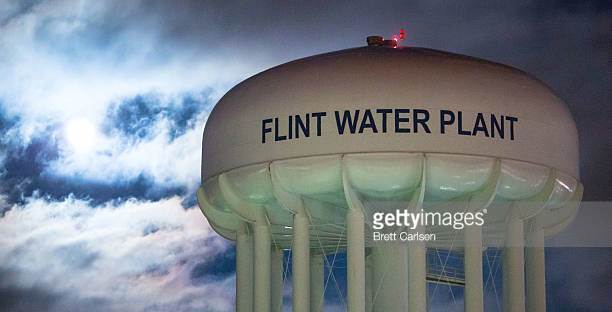
While I was struggling, trying to decide what I should possibly record for my story. I remember scrolling through twitter for hours (as I usually do to get my juices going) trying to get an idea of something.. anything to help. I found an article on how the Flint Water Crisis was affecting the fetal death rate.
To read the full article, click here.
I feel like, nowadays, most of the articles we scroll upon on social media and read are so tragic– so tragic that we become desensitized to most atrocities – but this stood out to me.
It became more real how these people were being forced to live with without access to clean water within their homes. If you don’t visibly jump in shock at the thought of having to use bottled water for EVERYTHING, I don’t know what else to tell ya.
For Christa, that was life for her family. Christa Hall, at the time, was a senior at Howard University from Flint with her own side of the story to tell. If anyone knows Christa, she’s one of the most genuine and positive people, so she’s always real and looks to the future without regrets. It makes it kind of hard to hear about the struggles the people we care about face when they have to visit their loved ones, but her story was too important not to share.
Christa made multiple very valid points and even shed light on certain conspiracy theories as to how the government was plotting the displacement of those affected by the lead poisoned pipes.
When we left this conversation, these things Christa was clear on:
- The local government knew how bad the situation was but allowed it to worsen due to years of neglecting Flint river complaints.
- Historically, the water in the Flint River downstream of Flint has been of poor quality, and was severely degraded during the 1970s, due to “the presence of fecal coliform bacteria, low dissolved oxygen, plant nutrients, oils, and toxic substances.” Since the water wasn’t properly treated, lead from aging service lines to homes began leaching into the Flint water supply after the city tapped into the Flint River as its main water source.
- The government was not as much help with the situation as they should’ve been by only giving free cases of water for such a short amount of time.
- The people on the north side of Flint still don’t have clean water and will more than likely be forced to move, if they can afford it.
- In order to move forward, she thinks we’ll need to see more people in Flint caring for one another, speaking out at town halls, and registering to vote to make sure something like this won’t happen again in the future.
If you’d like to hear the full story, click here.
 breblog.com